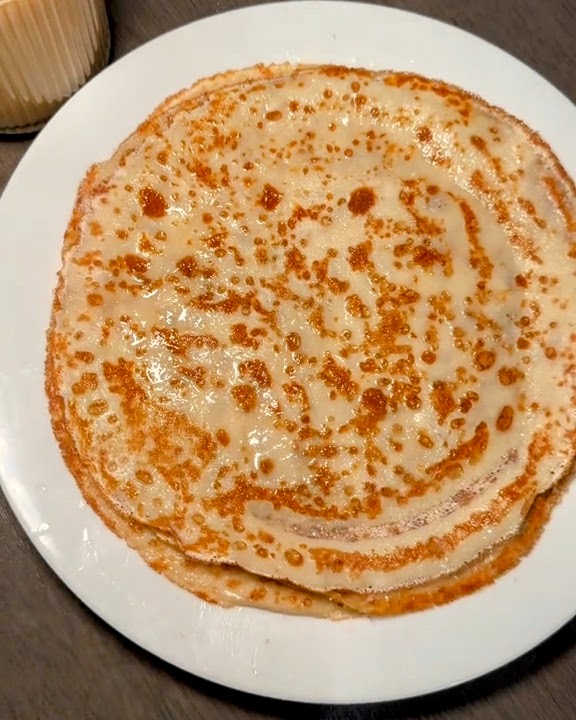
The morning sun streamed through my kitchen window as I embarked on making malawah, the beloved East African pancake that has graced countless breakfast tables across Somalia and beyond. Like a delicate piece of edible art, this plate-sized creation holds within its folds a story of tradition and comfort.
As I whisked together the simple batter, memories of watching skilled hands create these delicate pancakes in homes across East Africa came flooding back. The process itself is meditative – the gentle swirling of flour, water, and a pinch of salt, creating a smooth mixture that holds the promise of something extraordinary.
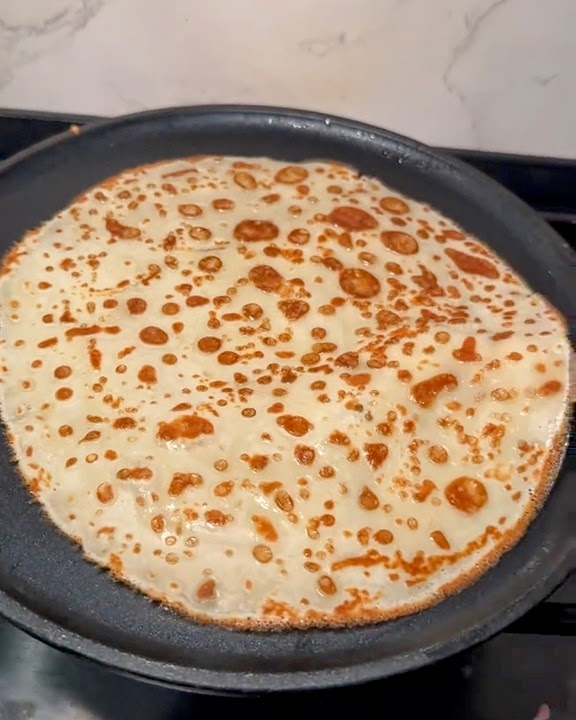
The magic happens when the batter hits the hot griddle. Unlike its Western counterparts, malawah is stretched thin, creating an almost translucent canvas that catches the light. I watched as tiny bubbles formed across its surface, a sign that the transformation was underway. With practiced movements, I drizzled a little oil around the edges, ensuring that signature crispiness that makes malawah so distinctive.
For years, I enjoyed my malawah the traditional way – savory and simple. But then came the day I decided to sprinkle some sugar over its warm surface. The transformation was nothing short of revelatory. The sugar melted slightly into the crispy layers, creating pockets of sweetness that complemented the pancake’s delicate texture perfectly. Each bite became a perfect balance of crispy and soft, sweet and subtle.
What makes malawah truly special is its versatility. While it’s a breakfast staple, it’s equally welcome at any hour of the day. In households from Somalia to neighboring countries, you’ll find families gathering around plates of fresh malawah, sharing stories and starting their days together. It’s more than just a pancake – it’s a thread that weaves through the fabric of East African cuisine, connecting communities and generations.
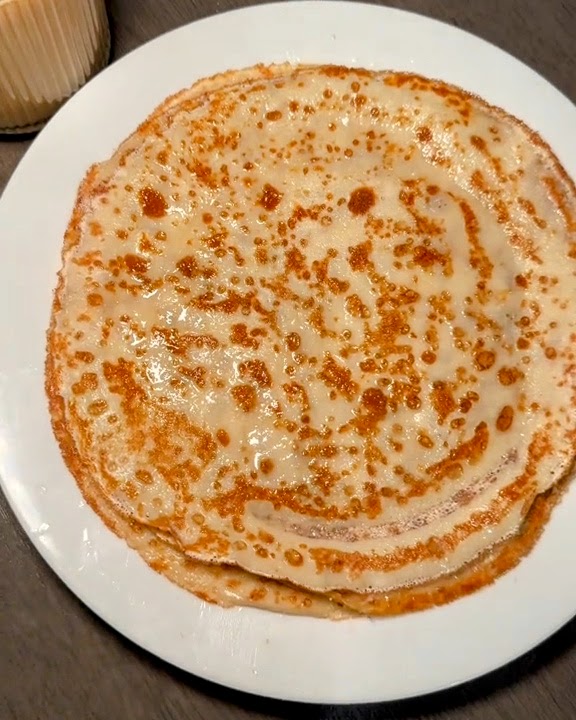
As I sat there that morning, enjoying my sugar-dusted malawah with a cup of steaming tea, I couldn’t help but appreciate how this simple pancake embodies the beauty of East African cooking. It doesn’t require fancy ingredients or complicated techniques – just patience, practice, and perhaps a sprinkle of sugar to discover its sweetest secrets.
Whether you’re a long-time fan of East African cuisine or just beginning to explore its delights, malawah offers an accessible entry point into a rich culinary tradition. Each bite tells a story of mornings spent in sun-warmed kitchens, of family gatherings, and of the simple pleasure of starting your day with something made by hand with care and love.






 Abdinz
Leave a comment